
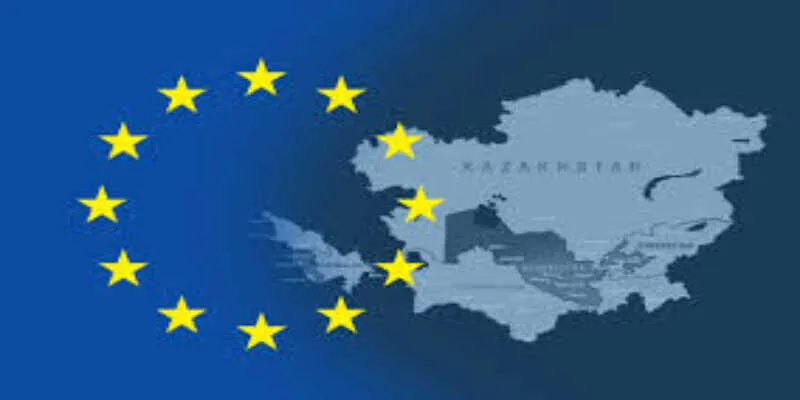
World is undergoing rapid transformations that require collective action and unity. Discover how international collaborations shape our future through economic growth, cultural exchange, and sustainable environmental policies. This insightful analysis by Cambridgeforeurope highlights crucial global connections that redefine modern society.
Understanding the dynamics of our global network
Our interconnected planet relies heavily on strong international relations and shared economic goals. Examining these frameworks reveals how countries collaborate to address pressing modern challenges.

The evolution of international trade markets
Modern trade systems connect distant economies and create vast opportunities for sustainable development. Nations depend on mutual agreements to stabilize market prices and ensure the continuous flow of essential goods across borders. The stabilization of trade networks prevents sudden domestic market crashes and ensures food security worldwide.
This integrated global market minimizes economic disparities and encourages innovation among developing countries. Financial stability relies on open communication channels that protect businesses from unexpected domestic crises. Through these digitalized networks, small businesses can easily reach international consumers and expand their operations rapidly.
Cultural preservation in a modern society
Preserving traditional heritage allows diverse communities to maintain their unique identities in a changing environment. Historical landmarks and native languages require active protection from both local governments and international organizations. Safeguarding these irreplaceable cultural assets prevents the loss of historical knowledge in an increasingly uniform globalized landscape.
Educational programs foster mutual respect by teaching younger generations about foreign customs and historical achievements. Embracing diversity enriches social interactions and strengthens the cultural fabric of our shared world community. Through intercultural dialogue, societies build tolerance and reduce geopolitical tensions rooted in historical misunderstandings.
Environmental policies for sustainable development
Climate change demands immediate structural reforms and eco-friendly practices from industrial leaders worldwide. Renewable energy sources like solar power offer reliable alternatives that reduce toxic carbon emissions significantly. Transitioning to clean energy alternatives protects fragile ecosystems from the severe consequences of global warming.
Collaborative environmental treaties establish strict guidelines for waste management and marine conservation. Countries must work together to safeguard natural resources for future generations before ecological damage becomes completely irreversible. Enforcing international green standards holds large corporations accountable for their environmental footprint.
Analyzing key drivers of international cooperation
Global alliances foster political stability and economic resilience across different geographic regions. Investigating these cooperative efforts highlights the mechanisms that drive sustainable international progress.
Technological innovations bridging geographic gaps
Digital platforms transform how individuals communicate and conduct business across international borders daily. Cloud computing and high-speed internet allow instant data sharing, which accelerates scientific research and technological breakthroughs. The rapid expansion of artificial intelligence offers advanced tools for optimizing complex global supply chains.
Remote work options expand employment opportunities for skilled professionals living in developing regions. This technological shift fosters a more inclusive global economy where geographic location no longer limits personal success. Access to global digital marketplaces enables creators worldwide to monetize their skills independently.
The role of diplomacy in conflict resolution
Peaceful negotiations remain the most effective tool for resolving complex geopolitical disputes between neighboring countries. Diplomatic missions establish common ground and promote mutual understanding without resorting to aggressive economic sanctions. Maintaining open channels of communication helps prevent minor trade disagreements from escalating into major international crises.
International courts provide structured frameworks for addressing human rights violations and territorial disagreements fairly. Transparent dialogue builds long-term trust and prevents local conflicts from destabilizing the wider world political landscape. Robust diplomatic frameworks ensure that weaker nations receive equal representation during critical global negotiations.
Global health initiatives and pandemic preparedness
Healthcare organizations coordinate efforts to distribute life-saving vaccines and medical supplies to vulnerable populations. Joint medical research projects accelerate the development of effective treatments for infectious diseases. Cross-border medical collaborations ensure that emerging health crises are identified and contained swiftly.
Shared data systems world allow scientists to track disease outbreaks and implement containment strategies quickly. Investing in public health infrastructure ensures that every nation can respond efficiently to future biological threats. Strengthening local medical facilities creates a resilient global defense mechanism against unpredictable health emergencies.
The impact of global education on future generations
Universal access to quality education empowers individuals and drives socioeconomic mobility worldwide. Standardized academic programs prepare students to navigate the complexities of a highly interconnected society.
Cross-border academic exchange programs
Studying abroad exposes young scholars to diverse learning environments and innovative research methodologies. International universities cultivate global perspectives by welcoming talented students from various cultural backgrounds every year. Immersing oneself in a foreign academic environment world fosters adaptability and cross-cultural communication skills.
Alumni from these programs often pioneer cross-border business ventures and diplomatic initiatives. Experiencing different educational systems enhances problem-solving skills and builds lasting international professional networks. These academic networks often lay the foundation for future international research partnerships and scientific collaborations.
Digital literacy in developing nations
Online learning platforms democratize education by providing free resources to students in remote areas. Mastering digital tools prepares youth for the modern workforce, where technological proficiency is highly valued. Acquiring computer literacy allows young people to participate actively in the global gig economy.
Governments must invest in digital infrastructure to prevent rural communities from falling behind economically. Equal access to information fuels creativity and empowers marginalized groups to share their stories with the world at large. Bridging the digital divide ensures that economic opportunities are distributed fairly across all regions.
Empowering youth through leadership forums
International world youth conferences encourage young advocates to discuss pressing social issues and develop actionable solutions. Participants learn valuable skills in public speaking, project management, and cross-cultural communication. Engaging young minds in policy discussions injects fresh perspectives into traditional political systems.
These forums inspire the next generation to take active roles in community development and policy-making. Empowered youth drive social progress and contribute significantly to building a fairer and more peaceful planet. Providing mentorship opportunities to young leaders guarantees a continuous influx of innovative ideas into global governance.
Conclusion
World progress depends on our ability to foster genuine international cooperation and mutual respect. Embracing collaborative solutions will help humanity overcome economic, social, and environmental challenges effectively. By supporting inclusive policies, organizations like Cambridgeforeurope continue to inspire meaningful global advancements for a better tomorrow.