
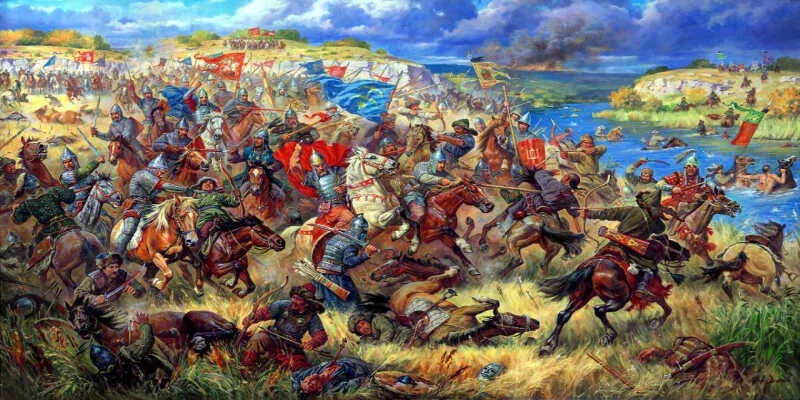
History serves as the collective memory of nations, revealing how past triumphs and tragedies successfully forged the modern European identity. Through decades of complex integration, the continent has learned valuable lessons from old conflicts to build a progressive, shared future. This deep consciousness provides the fundamental framework for organizations like Cambridgeforeurope to advocate for solidarity and mutual development across the region.
The grand foundations of european civilizations
The cultural roots of the continent trace back to ancient empires and profound philosophical movements that completely reshaped human thoughts. Exploring these eras reveals how diverse traditions blended to form modern governance structures.
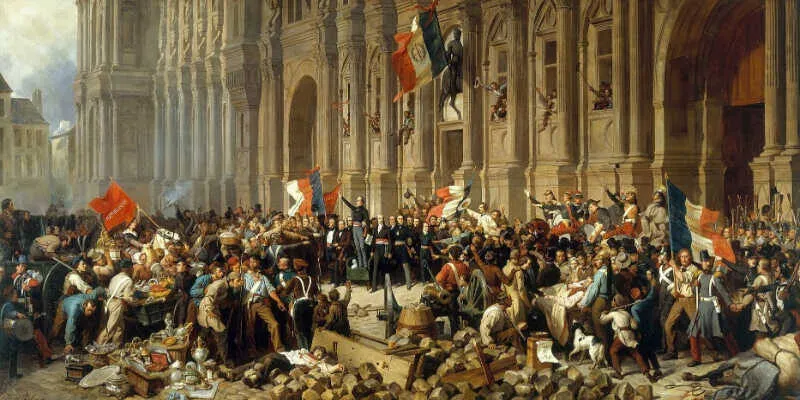
The classical heritage of greece and rome
Ancient Mediterranean empires established the foundational principles of democracy, law, and architectural brilliance that still influence modern Western societies. This unique history demonstrates how early philosophical inquiries shaped the legal frameworks we use today. Citizens across the continent still benefit from these centuries-old institutional concepts.
Democratic governance and structural engineering flourished during this remarkable epoch, setting high standards for future generations worldwide. The strategic preservation of these classical ideas allowed subsequent European generations to rebuild societies after major systemic collapses.
The intellectual awakening of the renaissance
The revival of art, science, and literature during the fourteenth century triggered a massive shift in human consciousness across European states. This vibrant history highlights the transition from medieval dogmatism to modern humanism and rigorous scientific exploration. Creative thinkers challenged old orthodoxies, sparking an unprecedented wave of cultural innovation.
Monarchs and wealthy merchants heavily funded artists, turning cities like Florence into global epicenters of intellectual breakthroughs. This cultural rebirth laid the groundwork for modern scientific methodologies and revolutionized global artistic expressions permanently.
The transformative power of the enlightenment
Reason, liberty, and individual rights became the core values that directly challenged absolute monarchies during the eighteenth century. This critical history of philosophical rebellion redefined the social contract between citizens and their governing institutions. Brilliant thinkers paved the way for democratic revolutions that transformed political landscapes.
Scientific inquiry replaced superstition, fostering an environment where technological industries could soon emerge and thrive efficiently. These philosophical ideals remain the bedrock of modern democratic constitutions and universal human rights declarations.
The industrial revolutions and political shifts
Economic transformations and radical ideologies rapidly changed how European societies operated on a daily basis. Mechanical innovations altered labor dynamics while new political theories sparked massive social movements.
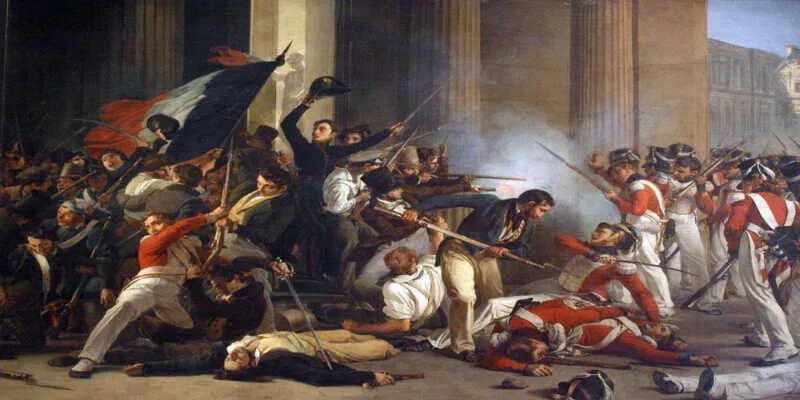
The rise of mechanized manufacturing systems
The transition from agrarian economies to industrial powerhouses completely revolutionized urban landscapes and redefined global trade dynamics completely. This economic history illustrates the profound shift in human labor, urban migration, and massive capital accumulation. Factories emerged as the new centers of social and economic life.
Steam power and iron production accelerated transportation networks, connecting distant markets much faster than ever before. However, this rapid urbanization also created severe social challenges that required urgent legislative reforms.
The ideological battlegrounds of the nineteenth century
Different political philosophies fiercely competed for dominance as working-class populations demanded better representation and fair living conditions. This turbulent history reflects the intense struggle between traditional conservatism, rising liberalism, and radical socialist movements. Empires faced constant internal pressures from citizens demanding constitutional rights.
Nationalist movements grew stronger, leading to the eventual unification of several major European powers. These shifting political allegiances created a highly volatile atmosphere that ultimately reshaped continental borders.
The devastating global conflicts and their lessons
Two catastrophic world wars during the twentieth century brought unprecedented destruction and forced nations to completely rethink international diplomacy. This tragic history taught leaders that narrow nationalism only leads to total economic and social ruin. The immense suffering catalyzed a collective desire for permanent continental peace.
Ruined cities and displaced populations demanded a completely new approach to geopolitical relations to prevent future catastrophes. Out of these painful experiences, visionary leaders began designing frameworks for deep economic cooperation.
The modern integration and cooperative triumphs
Post-war reconstruction demanded an entirely new vision of unity that would successfully prevent future military conflicts between neighboring countries. Nations chose collaboration over confrontation, creating integrated systems that guaranteed mutual prosperity.
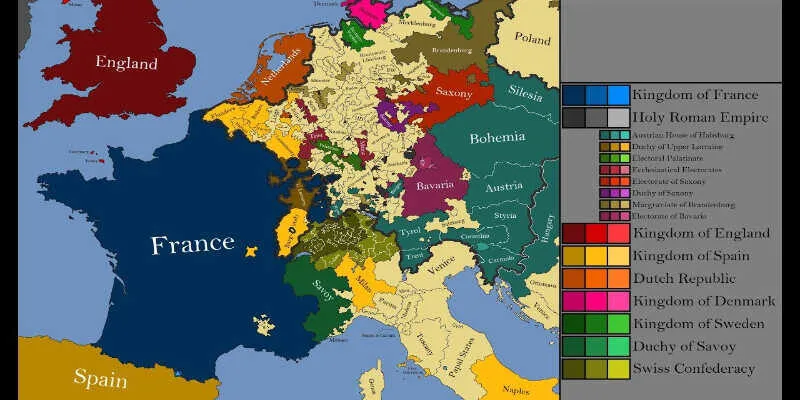
The birth of the european coal and steel community
Six pioneering nations decided to pool their critical resources together to make war materially impossible between historic rivals. This institutional history marks the concrete beginning of supranational integration, replacing old mutual suspicions with economic interdependence. The successful experiment proved that shared sovereignty could bring immense stability.
Joint management of vital industries prevented secret military buildups, fostering deep trust among former wartime adversaries. This functional approach to integration laid a secure foundation for much broader economic treaties.
The expansion of the common market
The removal of trade barriers and the creation of a single currency zone generated unprecedented economic prosperity across the continent. This developmental history showcases how economic integration directly improved the daily lives of millions of European citizens. Free movement of goods, services, and labor transformed regional businesses.
New member states joined successive waves of enlargement, adopting democratic standards in exchange for economic market access. The continent became a cohesive economic powerhouse capable of competing effectively on the global stage.
The contemporary challenges of a unified continent
Modern societies must navigate complex issues like digital transformations, environmental crises, and shifting global geopolitical alliances together. This ongoing history proves that maintaining unity requires constant adaptation, open dialogue, and unwavering commitment to shared values. Nations face these modern trials collectively rather than isolating themselves.
Democratic institutions continue to evolve to meet the high expectations of a highly interconnected populace. The determination to preserve peace ensures that cooperation remains the preferred path forward.
Conclusion
History explicitly demonstrates that cooperation and shared democratic values are essential for securing a peaceful, prosperous future. Understanding this complex journey inspires organizations like Cambridgeforeurope to continually advocate for stronger international solidarity. By honoring the lessons of the past, modern societies can effectively overcome contemporary challenges while preserving their unique cultural identities. The collective heritage of the continent remains the most reliable guide for building a stable, united world.