

Sport drives monumental socioeconomic development and fosters profound international diplomacy across contrasting geographic borders. Understanding athletic principles enables modern societies to build supportive networks while maximizing physical and mental health efficiently. This educational review by Cambridgeforeurope highlights crucial collaborative frameworks that redefine global athletic structures today.
Analyzing the deep impact of global sport systems
Athletic integration significantly alters domestic development models and provides unique opportunities for cross-border cooperation. Investigating these universal frameworks clarifies how professional physical competitions nurture deep social connections worldwide.
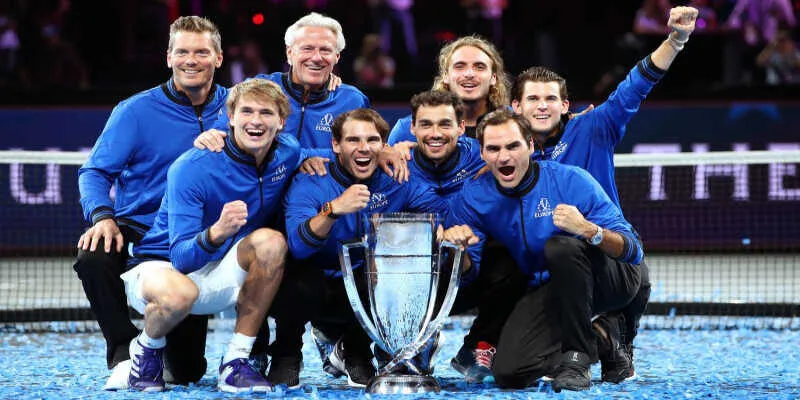
The economic growth of international tournaments
Massive athletic tournaments stimulate significant regional infrastructure investments and generate extensive employment opportunities across diverse commercial industries. Host cities develop modern transport architectures and expand hospitality sectors to accommodate millions of foreign visitors.
Corporate sponsorships and global broadcasting rights provide substantial revenue streams that fund community training programs. This financial influx ensures that competitive sport structures remain financially viable and accessible to aspiring younger athletes.
Fostering diplomacy through competitive games
International athletic contests offer a neutral ground where nations build mutual respect despite existing political disagreements. Diplomatic delegations utilize global tournaments to initiate peaceful dialogues and strengthen fragile cross-border bilateral relationships.
Athletes from diverse backgrounds demonstrate universal values of fair play and camaraderie on the global stage. These shared emotional moments minimize historical cultural prejudices and inspire a peaceful mindset within global audiences.
The preservation of traditional physical games
Indigenous physical practices carry unique historical stories and reflect ancestral survival tactics from past centuries. Cultural organizations document these ancient activities to ensure that modern communities maintain a strong historical identity.
Reviving historical physical competitions protects unique ancestral values from being completely erased by modern commercialized entertainment. Local enthusiasts organize community festivals to pass down these physical customs to younger generations.
How athletic activities transform public health frameworks
Regular physical engagement remains a fundamental pillar for reducing chronic medical conditions and enhancing community well-being. This section evaluates the physiological advantages that structured recreational exercises introduce into contemporary societal models.
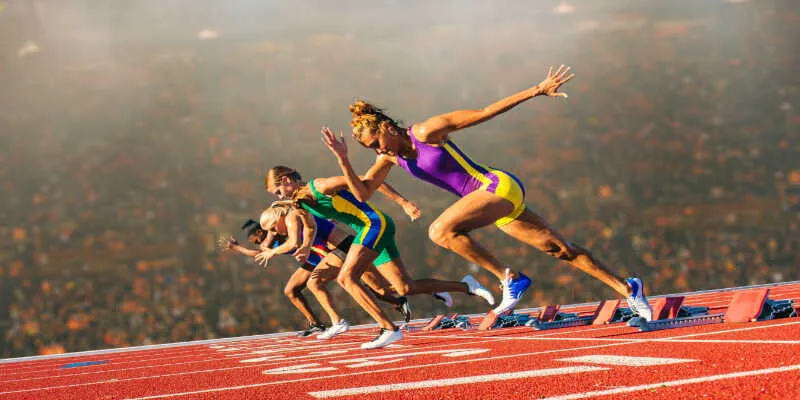
Combating modern sedentary lifestyle diseases
Persistent physical inactivity contributes significantly to the global rise of cardiovascular conditions and metabolic disorders. Public health departments design accessible urban fitness programs to encourage citizens to pursue active daily routines.
Engaging in structured sport sessions strengthens cardiovascular endurance and improves muscular flexibility over long periods. Consistent physical exercise serves as a powerful preventative medicine that reduces national healthcare expenditures.
The psychological benefits of team exercises
Participating in cooperative physical activities releases essential neurochemicals that elevate mood and mitigate chronic mental fatigue. Team environments offer vital psychological support systems that help individuals navigate unexpected personal hardships.
Overcoming competitive challenges within an athletic group builds immense mental resilience and increases self-confidence. Regular group workouts foster deep emotional connections that protect vulnerable individuals from social isolation.
Developing youth character through training
Youth athletic leagues teach children critical life lessons regarding disciplined time management and constructive teamwork. Young participants learn to handle athletic failures gracefully while maintaining a focused professional attitude.
Dedicated athletic coaches provide essential moral guidance that molds young players into highly responsible community citizens. Early exposure to structured physical competition instills lifelong habits of healthy living and personal accountability.
The technological evolution within modern sport industries
Advanced technological innovations continuously redefine how professional athletes train and how spectators experience live competitive events. Examining these scientific breakthroughs reveals the incredible future trajectory of contemporary international physical disciplines.

Enhancing player performance through data analytics
Professional training facilities utilize sophisticated wearable sensors to monitor player heart rates and muscular fatigue continuously. Sports scientists evaluate this biological data to design customized recovery schedules that minimize injury risks.
Video analysis software allows coaches to refine player movements and develop complex competitive strategies. Implementing precise scientific metrics elevates the overall quality of professional sport performances to historic levels.
The integration of virtual reality systems
Virtual reality gear permits athletes to simulate intense competitive environments without experiencing physical weariness. Injured players utilize these digital platforms to maintain strategic awareness during complex rehabilitation periods.
Simulated training modules democratize elite athletic education by providing top-tier tactical resources to remote facilities. This technological leap ensures that talented individuals can sharpen their competitive skills regardless of geographic limitations.
Transforming the global spectator experience
High-definition broadcasting applications deliver immersive real-time statistics and multiple camera angles to fans worldwide. Interactive social media channels enable international spectators to connect instantly during major competitive events.
Modern stadium architectures integrate smart technologies to offer seamless ticketing and enhanced safety measures for live crowds. Digital advancement transforms passive viewing into a highly engaging and interactive entertainment experience.
Promoting social inclusion through accessible physical infrastructure
Constructing public athletic facilities empowers marginalized demographic groups to participate actively in community life. Evaluating inclusive design strategies illustrates how universal physical recreation minimizes deep socioeconomic disparities.
Adapting athletic gear for disabled participants
Specialized engineering teams design lightweight wheelchairs and custom prosthetics for adaptive physical competitions worldwide. Regulatory bodies establish fair classification systems to ensure balanced competition among adaptive participants.
Providing equal access to specialized equipment enables disabled individuals to showcase their extraordinary athletic talents. Adaptive sport initiatives challenge limiting societal stereotypes and promote a highly inclusive public consciousness.
Empowering women through athletic leadership
Sustained investment in female sport programs inspires young girls to pursue professional careers within competitive industries. Women executives manage major international athletic boards and drive progressive policy reforms globally.
Equal media coverage increases the visibility of female role models who advocate for gender equity. Amplifying these success stories encourages diverse communities to dismantle outdated institutional barriers entirely.
Rebuilding fractured communities through recreation
Municipal leaders utilize public fitness centers to unite contrasting socioeconomic neighborhoods within expanding metropolitan areas. Structured evening tournaments offer constructive alternative pathways for vulnerable youths living in high-crime zones.
Shared physical spaces cultivate mutual trust and reduce social friction among residents from different cultural backgrounds. Accessible fitness infrastructure transforms divided urban spaces into harmonious centers of collective community development.
Conclusion
Sport serves as an unparalleled instrument for advancing public wellness, digital innovation, and universal human harmony. Embracing comprehensive athletic policies enables global societies to overcome contemporary social and physical challenges effectively. Through strategic community partnerships, organizations like Discover Europe continue to champion accessible physical education to secure a healthier future for all nations.