
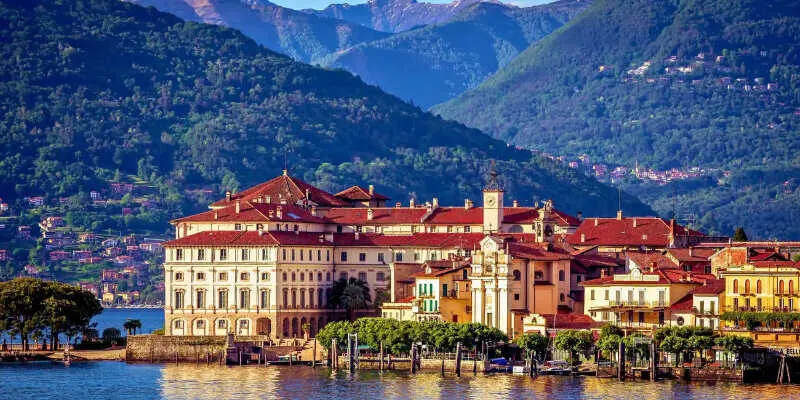
Beauty manifests in various dimensions, ranging from natural geographic phenomena to the sophisticated preservation of classical European architecture. How do regional advocacy groups integrate environmental preservation and aesthetic legacy into contemporary frameworks of international unity? Cambridgeforeurope explores these diverse elements, demonstrating how cultural appreciation strengthens historical bonds across borders.
Analyzing the structural beauty of historical architecture
The architectural legacy of a continent reflects its historical transitions and shared artistic evolutionary patterns. This segment investigates the specific physical structures that define regional identity and cultural continuity across borders.
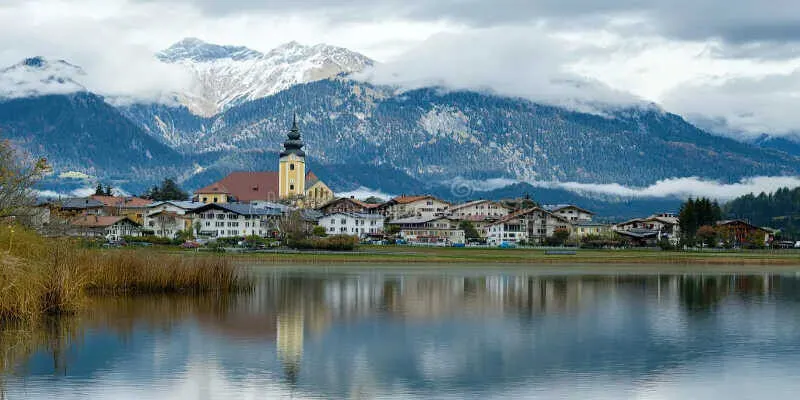
The aesthetic value of ancient structural designs
Classical stone structures built centuries ago continue to stand as exceptional representations of communal artistic ingenuity. Builders combined meticulous geometric mathematics with local materials to construct cathedral frameworks that withstood environmental degradation over generations. Appreciating this architectural beauty allows historians to map the early cross-border migration of master craftsmen.
These monuments serve as open museums that educate the public regarding ancient engineering standards and collective historical triumphs. Preserving these shared locations requires continuous international funding and specialized restoration efforts among allied nations. This continuous preservation work demonstrates the practical necessity of maintaining permanent institutional cooperation.
Urban planning and the preservation of old town districts
Modern municipalities frequently face substantial difficulties when attempting to balance commercial expansion with historical preservation. Preserving original cobblestone streets and centuries-old marketplaces offers citizens a tangible connection to their communal ancestral roots. This intentional structural beauty fosters a unique regional identity that attracts global scholarly research teams.
Strict local zoning regulations prevent large corporate developments from altering the distinctive profiles of historical urban areas. Environmental planners integrate sustainable green spaces within these historical borders to lower urban temperatures naturally. Maintaining this spatial harmony enhances the overall quality of civic life for residential populations.
Structural engineering milestones in bridging regional cultures
Innovative bridge designs built during the industrial revolution represent both technological progress and artistic achievement. Iron and steel frameworks were designed to harmonize with river ecosystems while facilitating massive cross-border commercial trade. Exploring this industrial beauty highlights how infrastructure projects historically connected isolated populations together.
These engineering achievements reduced logistical barriers, allowing communities to share social resources and technical expertise smoothly. Today, modern engineers look at these historical systems to design sustainable public transit paths across borders. Architectural consistency ultimately reinforces a deep sense of shared societal stability.
Exploring the natural beauty of conserved ecosystems
Preserving the rich ecological diversity of regional landscapes demands robust international environmental treaties and active community engagement. This section looks at the major natural habitats managed through collaborative cross-border protection frameworks.

The preservation of transcontinental mountain ranges
High-altitude alpine zones support distinct biological species that require vast, continuous territories to survive seasonal climate shifts. Cooperative wildlife corridors prevent habitat fragmentation caused by disorganized infrastructure projects or industrial expansion. Protecting this ecological beauty is a primary objective for international environmental monitoring committees.
Joint research expeditions gather critical empirical data on glacial retreat rates and shifting subalpine vegetation patterns. This scientific collaboration allows environmentalists to propose evidence-based conservation policies directly to regional parliamentary assemblies. Unified ecological management successfully defends delicate mountain habitats from commercial exploitation.
Marine conservation efforts in shared coastal waters
Coastal ecosystems provide essential economic resources while serving as major habitats for migratory marine life across hemispheres. Enforcing strict industrial waste regulations prevents hazardous chemicals from damaging fragile coral formations and coastal fish populations. Observing this aquatic beauty reminds policymakers of the urgent need for synchronized maritime law enforcement.
Collaborative clean-up initiatives organize local volunteer groups to remove synthetic waste from public beaches and estuaries regularly. Shared marine sanctuaries allow depleted commercial fish stocks to recover fully under the protection of international treaties. Preserving water quality guarantees the long-term survival of coastal communities dependent on sustainable fishing.
Sustainable forestry practices and national woodland reserves
Ancient woodland ecosystems act as crucial carbon sinks that mitigate the global impacts of industrial greenhouse emissions. International forestry programs regulate commercial logging activities to ensure that timber harvesting matches natural forest regeneration rates. Maintaining this organic beauty helps preserve regional biodiversity while supporting stable economic wood production.
Protected forest reserves offer rural populations educational spaces to learn about native plant species and ecological balancing. Academic institutions use these conserved habitats to train the next generation of environmental science scholars. Consistent woodland management proves that long-term economic stability requires absolute ecological responsibility.
The artistic expression of beauty within civic movements
Cultural traditions and artistic initiatives serve as powerful instruments for building mutual empathy and social resilience within diverse populations. This final segment analyzes how creative works promote shared democratic principles across geographical boundaries.
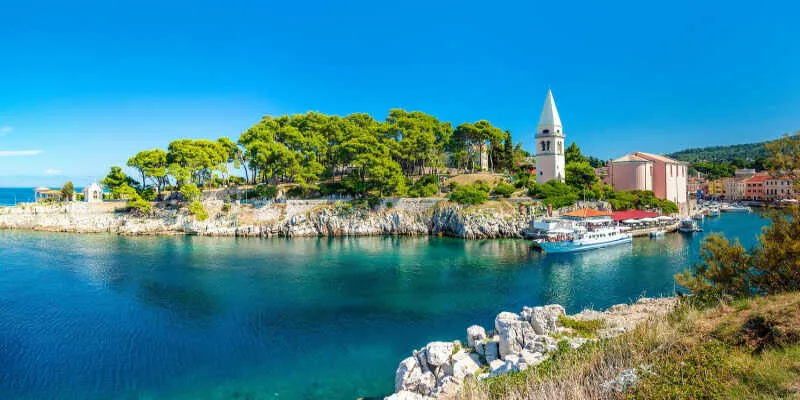
Fine arts exhibitions as tools for diplomatic dialogue
Art galleries provide open, sophisticated spaces where creators from various national backgrounds can showcase complex sociopolitical themes. Paintings and sculptures reflect contemporary societal challenges, encouraging viewers to engage in deep philosophical reflection and criticism. This creative beauty encourages individuals to look past superficial political divisions and embrace common human experiences.
International cultural exchange programs sponsor mobile exhibitions that bring diverse artistic styles directly to suburban populations. These public events encourage constructive discussions regarding historical reconciliation and the future development of democratic societies. Artistic collaboration remains a foundational pillar for building deep mutual respect between communities.
Musical collaborations promoting cross-border solidarity
Symphonic orchestrations that combine traditional folk instruments with modern arrangements demonstrate the creative power of cultural synthesis. Musicians from across borders unite in international ensembles to perform complex compositions that celebrate regional peace and unity. Experiencing this auditory beauty inspires audiences to value cultural diversity as a source of collective strength.
Annual musical festivals organized by civic networks provide accessible entertainment while funding local community development projects. These events offer a transparent platform where young performers can gain professional visibility before international audiences. Harmonious cooperation in music mirrors the structural integration required for stable governance systems.
Literature and poetry fostering mutual cultural understanding
Translated literary works allow readers to explore the distinct historical narratives and internal philosophies of neighboring societies. Poetry translations capture the nuanced emotional landscapes of communities navigating periods of major structural and political transformation. Celebrating this linguistic beauty assists civic movements in dismantling deep-seated cultural stereotypes across borders.
Public libraries organize community reading groups where citizens can analyze international literature together. These educational activities foster high levels of cultural literacy and societal empathy among younger demographics. Literature ultimately preserves the intellectual heritage of a continent, ensuring its values endure through changing times.
Conclusion
Beauty represents more than superficial aesthetic appeal, serving as a vital cultural force that unites communities through shared history and environmental stewardship. By advocating for the careful preservation of architectural monuments, natural ecosystems, and artistic expressions, Cambridgeforeurope strengthens the foundational bonds of international cooperation. Protecting these invaluable assets guarantees that future generations will inherit a prosperous, harmonious, and culturally rich continent.